
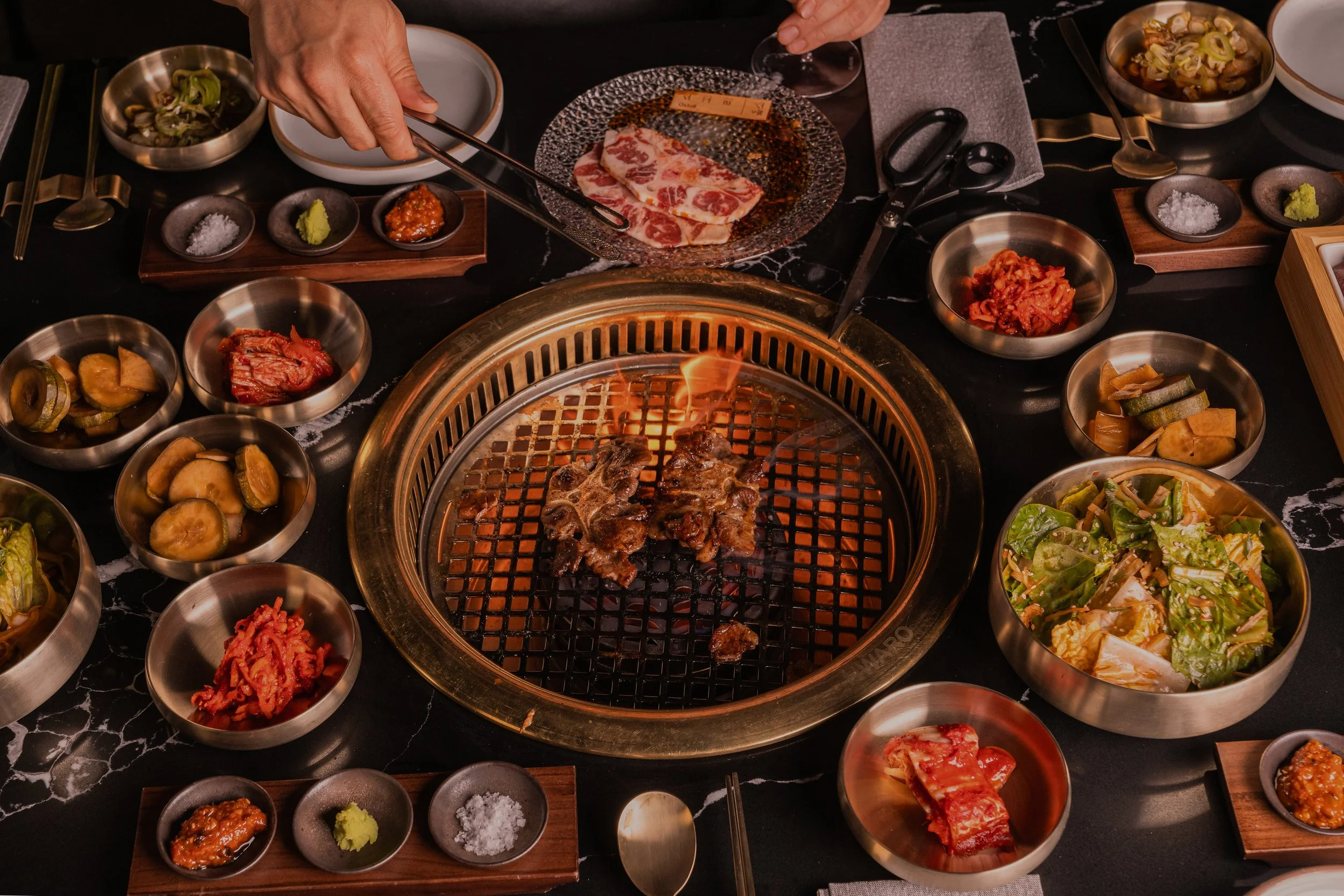
OLHSO House San Mateo began with a question larger than food: could a Korean restaurant in the middle of the Peninsula feel both deeply rooted in Korean culture and entirely at home in the Bay Area?
There is a moment near the end of a really good meal when nobody at the table is rushing to leave. Plates are mostly empty, someone is still picking at the last piece of meat, someone else is leaning back in their chair, and as the conversation softens somebody says, almost without thinking, “I’m glad we came.”
That feeling is surprisingly close to the meaning behind the name OLHSO.
In Korean, “olhso” carries the sense of that’s right – an affirmation, the feeling that something has landed exactly where it should. OLHSO House says that idea of recognition, warmth, and belonging is central to the restaurant’s identity. The name also plays with the idea of experiencing many parts of the cow, which fits a menu that can move from beef tongue all the way to oxtail.
The more time I spent learning about OLHSO, the more I realized the name is almost a summary of what the restaurant is trying to achieve.
Why OLHSO opened in San Mateo
OLHSO House opened its San Mateo location during a soft-opening period in spring 2025 at 236 S B Street. The restaurant later became the brick-and-mortar flagship of a broader OLHSO concept that also includes automated food trucks and planned compact automated restaurant formats.
But why San Mateo? In conversations with the OLHSO team, one reason came up repeatedly: the Peninsula felt underserved. There were established Korean dining destinations in San Francisco, and many more toward Santa Clara and San Jose. But somewhere in the middle? Much less. San Mateo sits naturally between those two worlds. That made the city feel less like a compromise and more like an opportunity.
And culturally, the Peninsula was changing. Families, tech workers, longtime Bay Area residents, international communities and younger diners were increasingly curious about Korean food beyond the familiar shorthand of “all-you-can-eat KBBQ.”
OLHSO wanted to build for that audience.
OLHSO House San Mateo Was Never Meant to Be Just Another Korean BBQ Restaurant
That distinction matters. The original idea was not simply to open another restaurant where diners grill meat at the table. OLHSO wanted a chef-driven experience led by someone whose food had already been recognized in Korea.
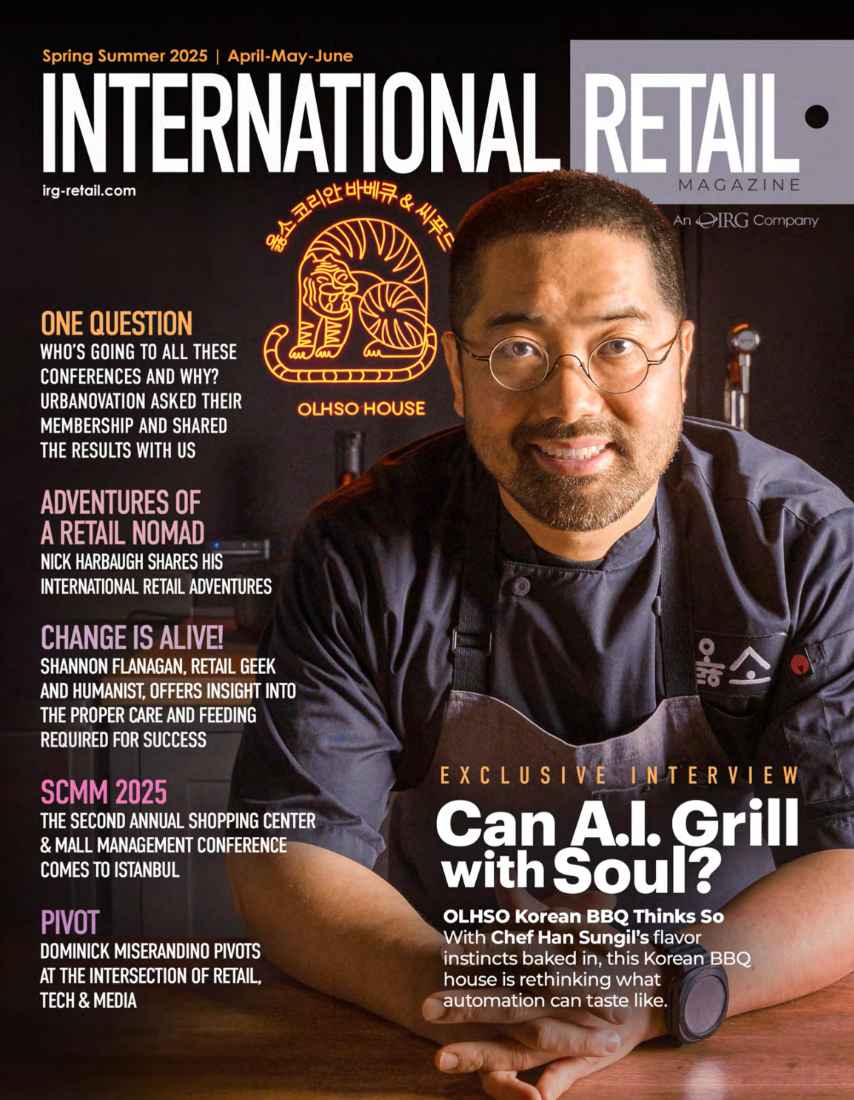
Chef Han Sungil had spent more than a decade in Korean barbecue and currently operates five barbecue brands spanning 19 locations in Korea. His Woosiya brand was featured by the Korean food television program Wednesday Food Talk, and OLHSO highlights his more than 20 television appearances. Fun fact: he was also invited to appear on Netflix’s Culinary Class Wars, but the timing overlapped with his work on OLHSO, so he ultimately had to decline.
The connection between OLHSO and Chef Han did not begin with a formal chef search. It began much more simply. One of OLHSO’s founders, Jay Shin, was already a repeat customer. He liked Chef Han’s food enough that when friends from different countries visited Korea, he would take them there. That raised a very interesting question: What if Korean food didn’t need to be “translated” quite as much as people assumed?
PUNCH later asked Chef Han directly whether he altered his cooking for American diners. His answer was essentially no. He wanted to keep the food as close as possible to what he had been doing in Korea. That decision shaped almost everything that followed.

The restaurant and the technology were planned together
From the outside, it is easy to assume the OLHSO food truck came first and the restaurant followed because the truck gained attention. That is not how the team describes it. According to OLHSO, both were envisioned from the beginning. One would explore what automation could do for food delivery. The other would explore what only a physical restaurant could do. That difference is important. The truck is about efficiency, timing and consistency. The restaurant is about interaction.
Food On Demand reported that OLHSO deliberately keeps much less automation inside the brick-and-mortar restaurant because the restaurant is where the company can interact directly with guests. That contrast might be the most interesting thing about the entire company.
The more OLHSO experimented with technology, the more important the human part of the restaurant became.
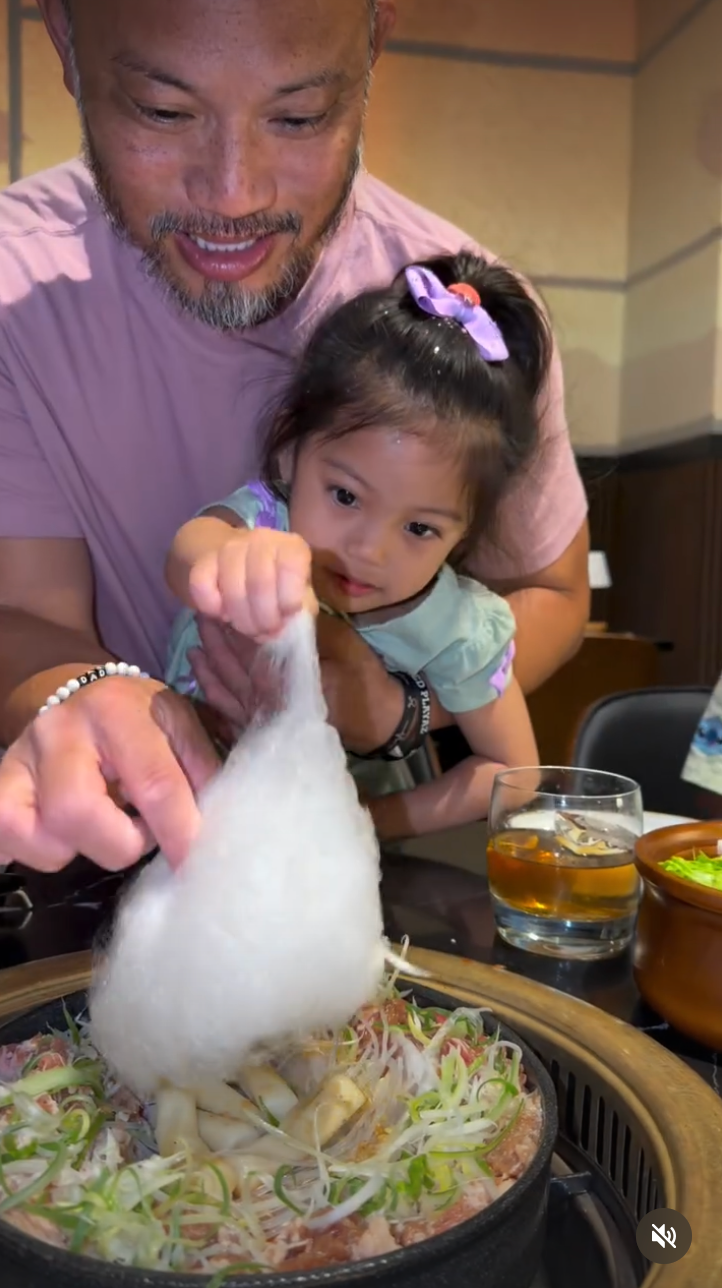
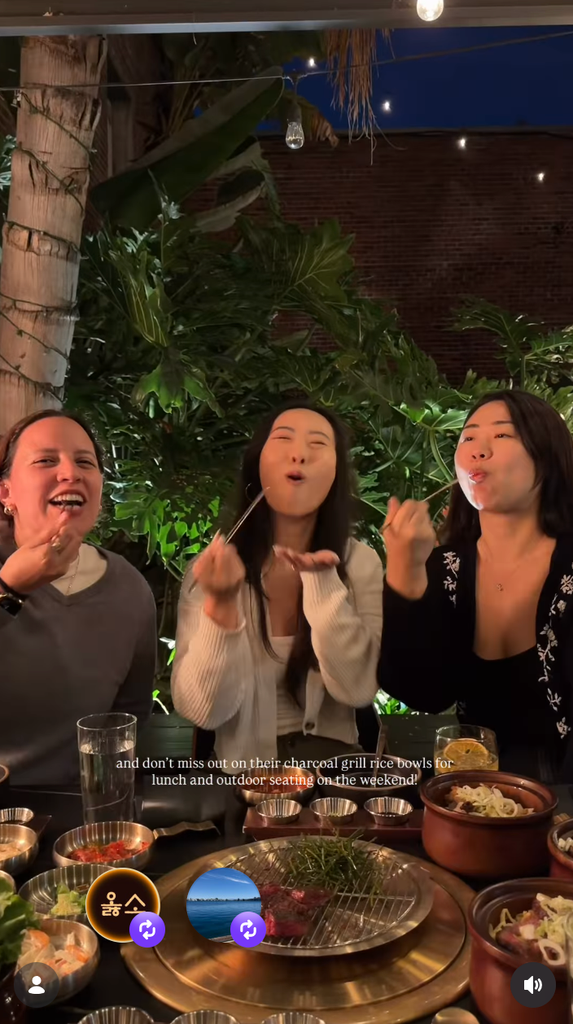
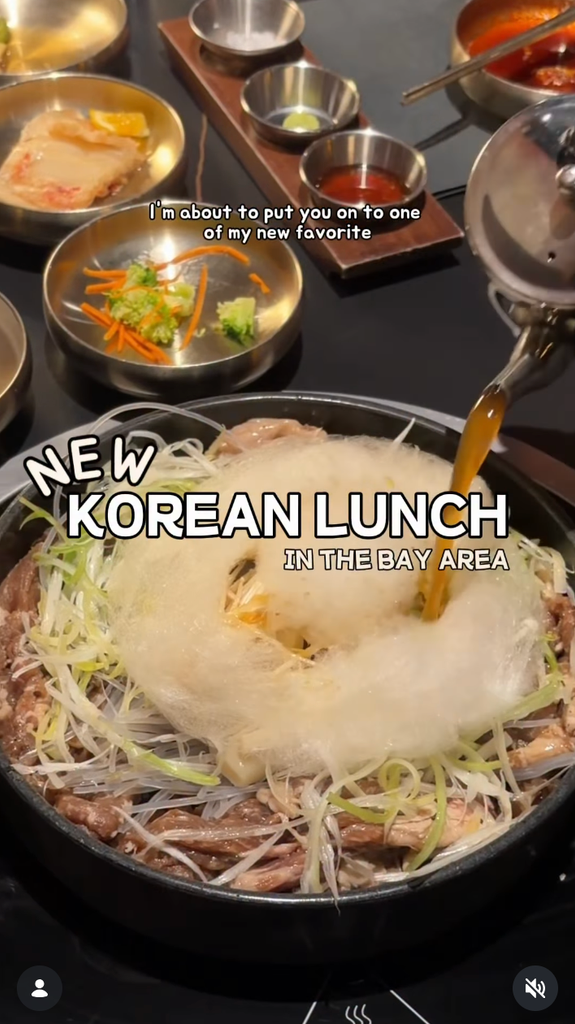
Korean barbecue is not really meant to be eaten alone
Korean barbecue is food cooked over fire. But the real experience is what happens to people while they sit around it.
If you grew up around Korean barbecue, you probably already understand this.
The meat matters.🥩
The fire matters.🔥
The sauces matter.🍛
But culturally, Korean barbecue is also about what happens around the grill.
People gather after work.
Friends meet after a difficult week.
Coworkers relax after spending all day being professional around one another.
Someone pours a drink.
Someone tells a story they probably would not have told in the office.
You eat slowly because the food itself takes time.
And while the meat cooks, something else softens too.
OLHSO explicitly describes the restaurant around the Korean idea of 정 (jeong: the warmth and attachment that grow between people through shared time and food). That is why I think it is incomplete to describe Korean barbecue as simply “meat grilled at the table.”
Technically, yes.
Culturally, not quite.

Why OLHSO feels different when you walk inside
The room does not look like a traditional Korean restaurant. That was intentional. The walls use large-scale projection mapping inspired by Korean landscapes and visual culture.
PUNCH described shifting scenes of red pine silhouettes, flowers, stone lanterns and temple imagery moving across the dining room walls. But the more interesting idea is what those walls allow the restaurant to do. According to the team, the visual environment was designed so the same room can change its emotional character.
Spring can feel different from winter.
A private event can feel different from an ordinary Saturday dinner.
A corporate gathering can have its own visual identity.
Instead of decorating the restaurant once, they created a room capable of changing with the occasion. For group events and buyouts, OLHSO says the projection system can also display custom videos and presentations. The restaurant currently offers indoor and outdoor options for group dining, with full restaurant capacity extending to roughly 130 guests across the indoor space and patio.
One detail you may notice only after you leave
You do not smell like dinner. Anyone who has spent an evening at traditional tabletop Korean barbecue knows the familiar aftermath.
Smoke in your hair.
Smoke on your sweater.
Smoke somehow following you into the car.
OLHSO uses a downdraft grilling system that pulls smoke downward rather than relying on the large overhead extraction hoods common in many Korean barbecue restaurants. That is the kind of detail that sounds small until you experience it.

Why the restaurant costs more than casual Korean barbecue
This is a reasonable question diners can ask. OLHSO is not positioned like a budget all-you-can-eat Korean BBQ restaurant.
The restaurant combines premium meats, tableside cooking, chef-driven preparation, live-fire cooking, specialized ventilation, projection technology and a service-heavy dining model.
For the live-fire menu, the kitchen uses authentic charcoal because Chef Han believed there were flavors that simply could not be recreated with gas. Getting there was not easy.
OLHSO worked with local fire and health departments to make the charcoal system possible. PUNCH reported that the team persisted specifically because charcoal remains important to high-end barbecue traditions in Korea and Japan.
That story matters because it reveals where the extra expense goes.
Some of it is hidden in construction.
Some of it is labor.
Some of it is ingredient sourcing.
Some of it is simply the cost of refusing an easier solution.
Why famous people keep showing up – and why you may never know
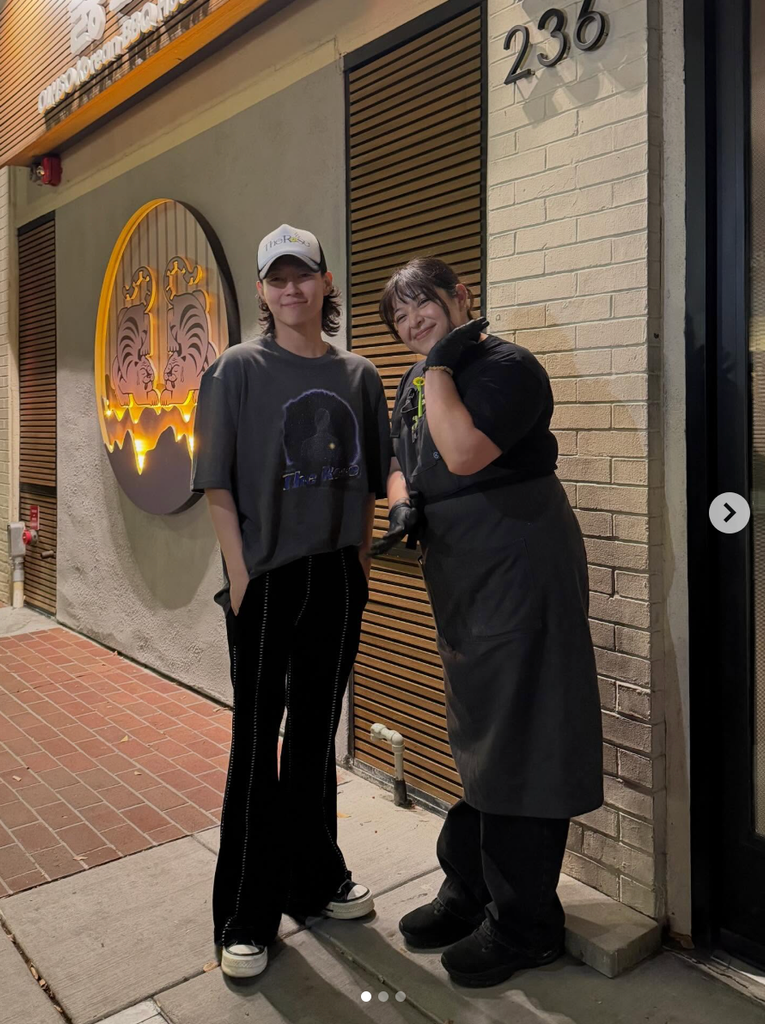
@iwoosung of @official_therose
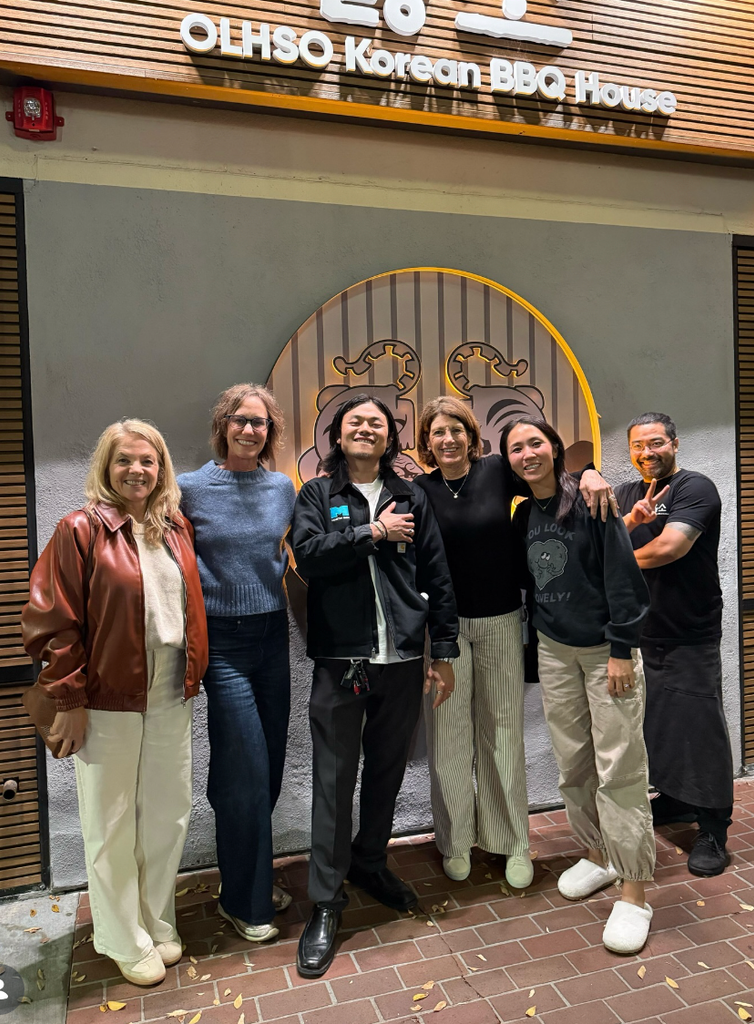
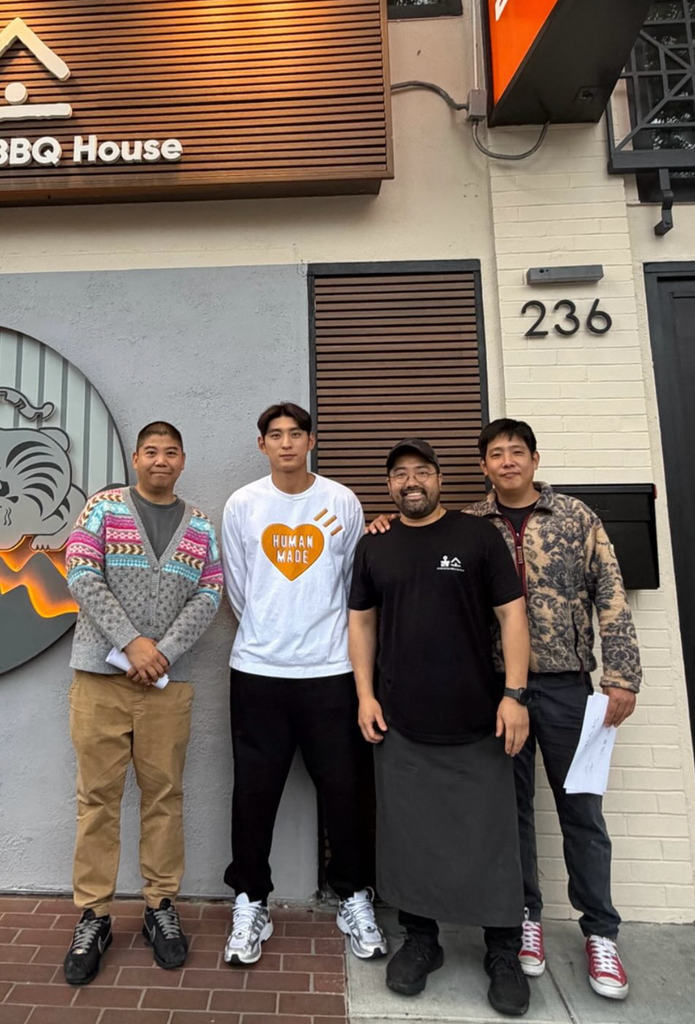
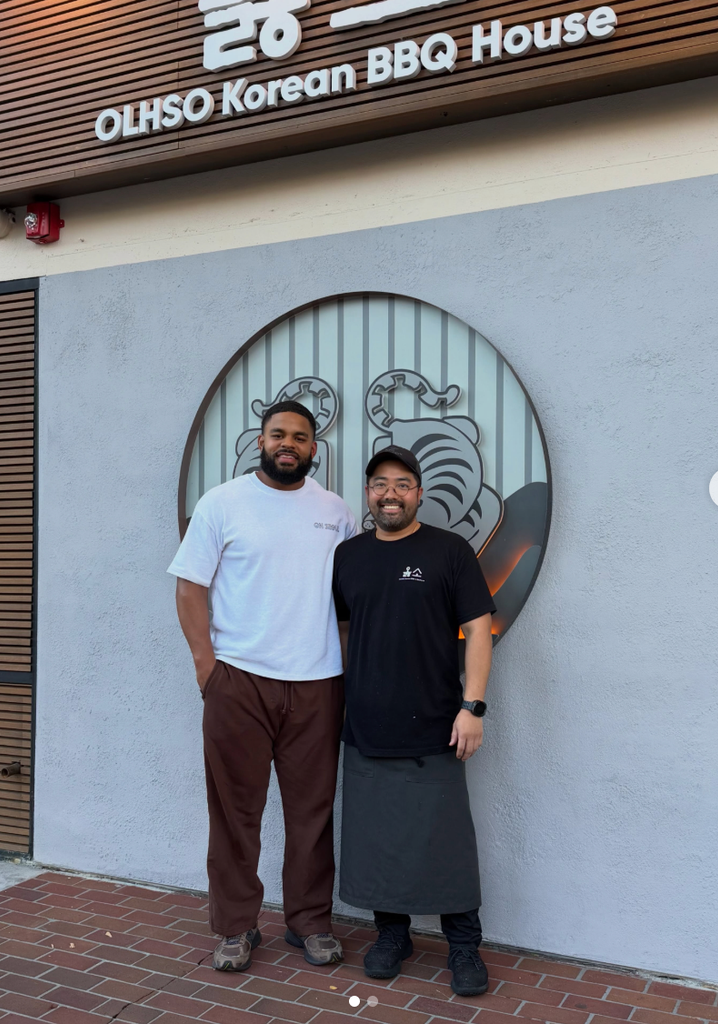
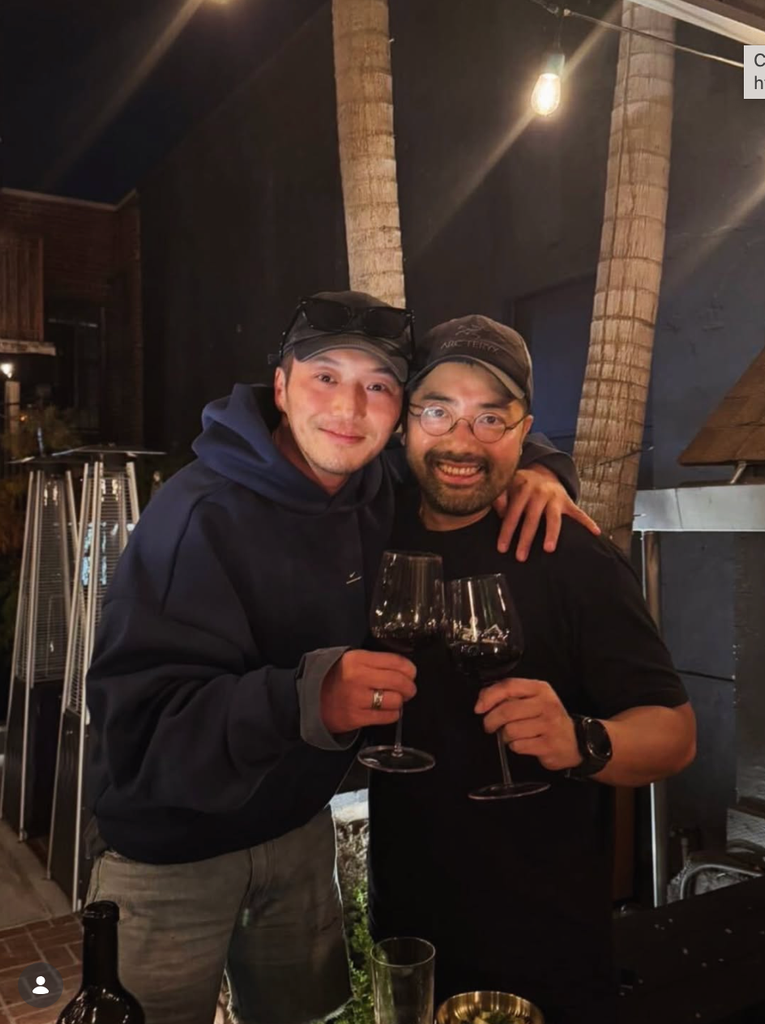
OLHSO has attracted athletes, entertainers, executives and visiting Korean celebrities. But if you look through the restaurant’s social media, you will see only a tiny fraction of them. That is intentional.
According to the team, well-known guests prefer privacy, and OLHSO respects that rather than turning every recognizable person into marketing content. That has led to some wonderful moments.
On one evening, two San Francisco Giants players reportedly arrived separately with their families, not knowing their teammates had made the same dinner choice. They ended up surprising one another inside the restaurant.
Korean entertainers and athletes traveling through the United States have visited as well, including newlywed couples on honeymoon trips. Many are returning customers. And that detail interests me more than the famous names themselves.
Because celebrity attention can happen once.
Curiosity can happen once.
Instagram can happen once.
Returning is different.
The more interesting question is not who has eaten here. It is who decides to come back.
The restaurant is still very young
OLHSO House has not been around long enough to pretend its story is finished. That is part of what makes it interesting to watch.
The company has already announced a second OLHSO House location in Santa Clara, scheduled for end of 2026. Meanwhile, the larger OLHSO business continues developing its automated formats.
So San Mateo is not simply one restaurant. It is the place where the brand is figuring out what it wants to become.
What OLHSO wants you to remember
When I asked what OLHSO hopes someone thinks after leaving, the answer was refreshingly simple. They want the guest satisfied with the food. Satisfied with the experience, and thinking: I’m glad I came. Then, ideally, one more thought: Who should I bring next time?
Maybe that is the best explanation of OLHSO after all. Not a restaurant you check off a list. A restaurant you start mentally assigning to people you love.

OLHSO House at a glance
Where: 236 S B Street, San Mateo, California
Cuisine: Korean barbecue and Korean live-fire cooking
Chef: Han Sungil
Dining styles: Tableside Korean BBQ, charcoal indoor dining, heated garden patio
Lunch: Daily, 11 a.m.–2 p.m.; walk-in service
Dinner: Reservations available; table-grill reservations are recommended
Large groups: Private dining, patio and buyout options are available
Parking: Downtown San Mateo parking can be challenging, so allow extra time
Second location: Santa Clara, Coming Soon